
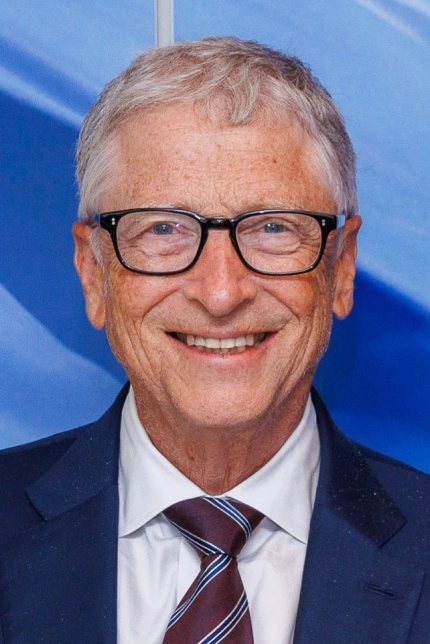
How Rich Is Bill Gates?
How Rich Is Bill Gates: Source of Wealth, Net Worth, and the Role of the Gates Foundation and His Daughter
Bill Gates is one of the most recognized figures in the modern world—known not only as the co-founder of Microsoft but also as a visionary entrepreneur, philanthropist, and one of the wealthiest individuals on the planet. His story represents innovation, persistence, and strategic thinking. Over the decades, Gates transformed from a curious young computer programmer into a global symbol of wealth and giving.
The Rise of Bill Gates: Early Life and Vision
William Henry Gates III was born on October 28, 1955, in Seattle, Washington, into a family that valued education and ambition. His father was a prominent attorney, and his mother served on corporate and nonprofit boards. From a young age, Gates showed a strong aptitude for mathematics and logical thinking.
At 13 years old, he discovered his passion for computers at the Lakeside School, where he first learned programming. His fascination with coding led him to spend countless hours exploring computer systems and software. This early exposure laid the foundation for his future empire.
After enrolling at Harvard University in 1973, Gates met Paul Allen, his future business partner. Together, they saw the potential of personal computing and decided to bring software to the masses. In 1975, Gates dropped out of Harvard to start Microsoft, a bold decision that would change the course of technology forever.
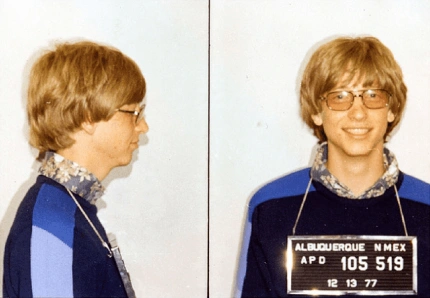
The Source of Wealth: The Microsoft Empire
The core of Bill Gates’s immense wealth originated from Microsoft Corporation, which he co-founded with Paul Allen. Microsoft revolutionized the technology industry with its groundbreaking software innovations, especially the Windows operating system and the Microsoft Office Suite.
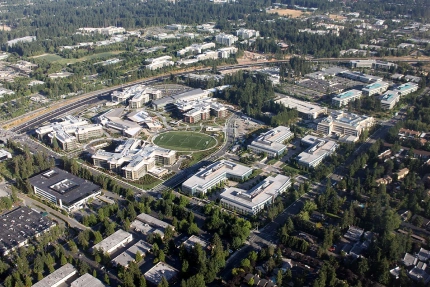
The company’s defining moment came in 1980, when IBM approached Microsoft to develop an operating system for its personal computers. Gates acquired a system called QDOS, modified it, and licensed it to IBM as MS-DOS. This licensing deal set the stage for Microsoft’s dominance.
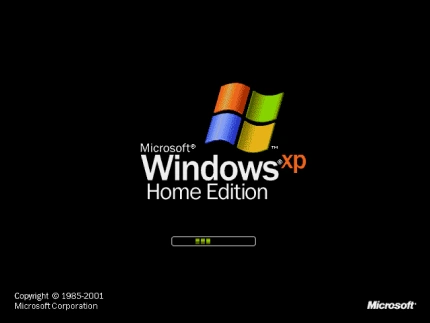
In 1985, Microsoft launched Windows, which provided a graphical interface that was user-friendly and accessible to a global audience. Over time, Windows became the dominant operating system for personal computers, used by millions worldwide.
Microsoft went public in 1986, instantly turning Bill Gates into a millionaire. Within a year, as the stock price soared, Gates became the youngest self-made billionaire in history at the age of 31.
Even after stepping down from his CEO role in 2000, Gates remained an influential figure in the company for many years as chairman and advisor. His shares in Microsoft—and his smart investments outside of it—became the foundation of his vast fortune.
Bill Gates’s Net Worth
As of 2025, Bill Gates’s estimated net worth exceeds $130 billion, according to Bloomberg and Forbes. Though he once held the title of the richest person in the world for more than a decade, he now ranks among the top five due to the rise of tech giants like Elon Musk, Jeff Bezos, and Bernard Arnault.
However, Gates’s wealth fluctuates with the stock market and his ongoing philanthropic giving. His diversified portfolio includes investments in energy, healthcare, artificial intelligence, real estate, and agriculture through his private investment firm, Cascade Investment LLC.
Cascade manages holdings in companies such as:
- Canadian National Railway
- AutoNation
- Waste Management Inc.
- Ecolab
- Four Seasons Hotels and Resorts
Gates also owns vast farmland across the United States—over 275,000 acres, making him one of the largest private farmland owners in the country.
Despite his immense wealth, Gates has pledged to donate most of his fortune during his lifetime through the Giving Pledge, an initiative he co-founded with Warren Buffett.
How Bill Gates Got There: Vision, Strategy, and Innovation
Bill Gates’s success was not the product of luck—it was built on vision, determination, and strategic execution. Several key factors contributed to his rise to billionaire status:
- Early Adoption of Emerging Technology: Gates recognized the potential of personal computers long before they became mainstream. His early entry into the software industry allowed Microsoft to dominate a rapidly growing market.
- Strategic Licensing Deals: Instead of selling software outright, Gates licensed it to computer manufacturers. This decision created a steady, recurring revenue stream and positioned Microsoft as a global leader.
- Relentless Focus on Quality: Gates was known for his perfectionism. He pushed his teams to create user-friendly software that worked efficiently on various platforms.
- Business Acumen: Beyond programming, Gates mastered corporate strategy. He successfully negotiated partnerships, managed intellectual property rights, and expanded Microsoft’s global influence.
- Long-Term Thinking: Gates reinvested profits into research and development, ensuring Microsoft stayed ahead of competitors. His commitment to innovation helped the company evolve through decades of technological change.
The Bill & Melinda Gates Foundation: A Legacy of Giving
Beyond business, Bill Gates has redefined what it means to be a philanthropist. In 2000, he and his then-wife, Melinda French Gates, established the Bill & Melinda Gates Foundation, now one of the largest private charitable organizations in the world.
With an endowment exceeding $75 billion, the foundation focuses on global health, education, and poverty alleviation. Its initiatives have transformed millions of lives across the globe.
Major areas of impact include:
- Global Health: The foundation funds vaccine development, infectious disease prevention, and medical research. It has contributed billions toward eradicating polio and malaria.
- Education: Gates has invested heavily in improving public education in the United States, emphasizing technology-driven learning.
- Agriculture and Climate Change: The foundation supports farmers in developing nations and funds sustainable farming practices to address food insecurity.
- COVID-19 Response: During the pandemic, the foundation contributed over $1.75 billion toward vaccine development and global distribution efforts.
Through this foundation, Bill Gates shifted from a business mogul to one of the most influential humanitarian figures of the 21st century.
The Role of His Daughter: Continuing the Legacy
Bill Gates has three children—Jennifer, Rory, and Phoebe Gates—and while he has committed to giving away most of his fortune, his children have shown deep interest in philanthropy and technology.
Jennifer Gates, the eldest, born in 1996, is perhaps the most publicly active. She graduated from Stanford University with a degree in Human Biology and later earned her medical degree from Mount Sinai’s Icahn School of Medicine.
Jennifer combines her medical career with charitable involvement. She often represents her father’s philanthropic values through her own advocacy work in global health, women’s empowerment, and education access. While she does not manage the Gates Foundation directly, she actively supports causes aligned with its mission.
Moreover, Jennifer Gates participates in events and forums that highlight the importance of science, innovation, and equality—values that reflect the same vision her father brought to Microsoft and global philanthropy.
Her involvement shows a generational continuation of the Gates family’s commitment to making a difference in the world, not through inheritance, but through personal contribution and purpose-driven work.
Gates’s Philosophy on Wealth and Responsibility
Bill Gates’s outlook on wealth has evolved over the years. He has repeatedly emphasized that wealth should serve humanity, not just personal luxury. Through interviews and speeches, he’s expressed the belief that “with great wealth comes great responsibility.”
He plans to leave his children only a modest inheritance, stating that vast wealth could discourage them from pursuing their own goals. Instead, his children are encouraged to contribute to society using their skills and education.
This philosophy is at the heart of the Giving Pledge, which Gates co-launched with Warren Buffett in 2010. It invites billionaires around the world to commit at least half of their wealth to charitable causes. Today, over 240 billionaires have joined the initiative, collectively pledging hundreds of billions of dollars toward social good.
Frequently Asked Questions (FAQs)
1. How did Bill Gates make his fortune?
Bill Gates built his wealth by co-founding Microsoft, the world’s leading software company. His strategic licensing of Windows and Microsoft Office created a global monopoly in personal computing. Over time, smart investments in technology, energy, real estate, and finance through his firm Cascade Investment LLC further increased his fortune.
2. What is Bill Gates’s current net worth?
As of 2025, Bill Gates’s estimated net worth exceeds $130 billion, making him one of the richest people in the world. His wealth comes mainly from his Microsoft shares and diversified investments across multiple industries.
3. How does Bill Gates’s daughter help with his legacy?
Jennifer Gates, his eldest daughter, supports his philanthropic vision by promoting education, global health, and women’s empowerment. Although she doesn’t manage the Bill & Melinda Gates Foundation, she actively participates in medical and charitable initiatives that align with her father’s humanitarian goals.
From Billionaire to Benefactor
Bill Gates’s journey from a curious student to a global icon of innovation and generosity demonstrates the power of vision, discipline, and social responsibility. His net worth, estimated at over $130 billion, represents decades of ingenuity and entrepreneurial excellence. Yet, his greatest achievement may not be his wealth, but his commitment to humanity.
Through Microsoft, he revolutionized technology and changed the way the world communicates. Through the Gates Foundation, he redefined philanthropy by focusing on health, education, and equality. And through his family—especially his daughter Jennifer—he continues to inspire a new generation to use their talents for positive change.
Bill Gates’s story is a reminder that true success is not just measured in billions, but in the impact we create and the lives we improve. His legacy proves that one person’s vision, combined with compassion and innovation, can truly change the world.

I enjoy reading, chess, writing, and creating things for the internet. Since I was a child, I wanted to create meaningful things. Here, I found my purpose.