
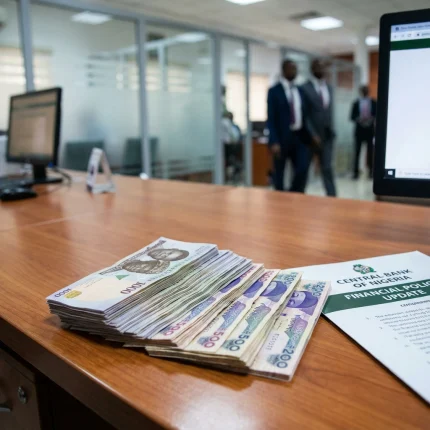
Top 10 Ways the New CBN Cash Deposit Policy Affects You
Top 10 Ways the New CBN Cash Deposit Policy Affects You
The financial landscape of Nigeria is set for a significant shift as the Central Bank of Nigeria (CBN) introduces a revised cash deposit and withdrawal policy. Scheduled to take full effect on January 1, 2026, this new directive marks a departure from the stringent cashless policies of recent years. For individuals, small business owners, and corporate entities alike, understanding these changes is crucial for financial planning and day-to-day operations.
The CBN has stated that these adjustments are necessary to reflect current economic realities, reduce the burden of cash management costs, and strike a balance between financial security and the practical needs of a cash reliant population. While the core objective of migrating Nigeria towards a digital-first economy remains, this policy acknowledges that the transition requires a “human face” and more flexibility.
In this comprehensive guide, we will explore the top 10 ways this new policy affects you, dissecting the implications for your wallet, your business, and the broader economy. Whether you are a trader in Alaba International Market, a corporate executive in Lagos, or a student in Abuja, these changes will impact how you handle money.
1. Complete Abolition of Cash Deposit Limits
Perhaps the most significant change is the removal of the cap on how much cash you can deposit into your bank account. Previously, individuals and companies faced hurdles and sometimes penalties when attempting to deposit huge sums of physical cash.
How it affects you:
If you run a cash intensive business, such as a supermarket, a petrol station, or a wholesale depot, you can now breathe a sigh of relief. You will no longer be turned back by tellers or forced to split deposits across multiple days to avoid “limits.” This aims to bring more cash back into the banking system, reducing the amount of money circulating outside formal financial channels. It empowers you to bank your daily sales immediately, improving the security of your funds.
2. Increased Weekly Withdrawal Limits
The frustration of being unable to access your own money has been a major pain point for many Nigerians. The new policy raises the weekly cash withdrawal limit significantly:
- Individuals: Up to ₦500,000 weekly (previously ₦100,000).
- Corporate Bodies: Up to ₦5,000,000 weekly.
How it affects you:
This increase provides much needed liquidity. For an individual planning a wedding, building project, or family event where cash is often preferred, the ₦500,000 limit offers decent flexibility without needing special bank clearance. For businesses, the ₦5 million limit ensures that petty cash needs, wages for casual workers, and other immediate operational expenses can be met without unnecessary bureaucracy.
3. End of “Processing Fees” on Deposits
In the past, depositing amounts above a certain threshold often attracted “processing fees” or handling charges. This was a direct cost that ate into the profit margins of retailers and distributors.
How it affects you:
The new policy explicitly stops these fees on deposits. This is a direct saving for you. If you deposit ₦10 million naira from your weekend sales, you get credited ₦10 million naira, standard stamp duties notwithstanding, but you won’t pay a penalty for bringing cash to the bank. This encourages people to stop hoarding cash at home and bring it into the safety of the vault.
4. Introduction of Excess Withdrawal Fees
While deposits are free, taking cash out essentially comes with a price tag if you go overboard. The CBN has instituted processing fees for withdrawals that exceed the weekly limits (₦500k for individuals, ₦5M for corporates):
- Individuals: 3% fee on the excess amount.
- Corporates: 5% fee on the excess amount.
How it affects you:
This puts a premium on cash. If you are an individual and you need to withdraw ₦1,000,000 in a week, the first ₦500,000 is free of this charge. The remaining ₦500,000 will attract a 3% fee (N15,000). You must weigh the cost of this fee against the convenience of cash. It effectively incentivizes you to use electronic channels for large transactions unless cash is absolutely unavoidable.
5. Daily ATM Withdrawal Caps Remain
Despite the increased weekly limits, the daily withdrawal limit at Automated Teller Machines (ATMs) is capped at ₦100,000, subject to the overall ₦500,000 weekly limit.
How it affects you:
You cannot simply stand at an ATM and withdraw your entire weekly limit in one go if it exceeds ₦100,000. You will need to visit the machine over multiple days or enter the banking hall for larger bulk withdrawals. This measure is likely in place to prevent ATM queues from becoming unmanageable and to strictly manage cash logistics at off-site locations. Plan your ATM visits accordingly to avoid being stranded without cash on a weekend.
6. Impact on PoS Operators and Agents
Point of Sale (PoS) operators have become the de-facto “banks” for many neighborhoods. This policy is a double edged sword for them. On one hand, the higher withdrawal limits (₦500k/₦5M) mean they can source cash from banks more easily. On the other hand, the 3%/5% penalty means their cost of doing business could skyrocket if they exceed limits.
How it affects you:
As a customer, you might see PoS charges stabilize or potentially increase slightly for large withdrawals if the agents pass on the “excess withdrawal fee” to you. However, availability of cash at PoS points should theoretically improve as agents can legally withdraw more from their corporate accounts each week.
7. Security Implications of Moving Cash
With the ability to move ₦500,000 or ₦5 million in cash comes the renewed risk of theft. The “cashless” drive was partly sold on security, violently robbing a digital transfer is harder than snatching a bag of cash.
How it affects you:
You need to be vigilant. If you are a business owner withdrawing N5 million for Friday wages, you are a target. The policy puts the onus of security back on the customer. While the liquidity is convenient, verify if a bank transfer, which is instant and traceable, isn’t a safer option for payments to suppliers or contractors.
8. A “Human Face” to Digital Adoption
The CBN is not abandoning the cashless policy; it is refining it. By removing the harsh deposit limits, they are acknowledging that the infrastructure for 100% digital transactions (network stability, smartphone penetration) isn’t perfect yet.
How it affects you:
You are no longer “forced” to use digital channels by punitive measures alone. This psychological shift might actually encourage digital adoption. When people feel they can get cash if they need it, they are less likely to panic, withdraw and hoard it. It builds trust in the banking system. You can use your app because it’s convenient, not because you are terrified you won’t access your money.
9. Boost for the Informal and Rural Economy
A vast chunk of Nigeria’s economy, market women, farmers, artisans operates informally. These sectors struggled immensely under tight cash restrictions.
How it affects you:
If you trade in agricultural produce or buy from local markets, expect smoother transactions. Farmers who bring truckloads of yams to the city can sell for cash and deposit the proceeds without fear. This increased velocity of money in the rural areas can stimulate local economies, potentially stabilizing prices of food items as supply chains become less choked by liquidity crises.
10. Clarification on Exemptions
The policy explicitly exempts government revenue accounts, microfinance banks, and primary mortgage banks from some of these limits to ensure they can operate effectively. However, it removes exemptions for embassies and donor agencies, integrating them into the standard framework.
How it affects you:
If you bank with a Microfinance Bank (MFB), you might experience better cash availability, as these institutions are given a pass to handle larger volumes of cash to serve their grassroots customers. This strengthens the role of MFBs in the financial ecosystem.
Frequently Asked Questions (FAQ)
Q1: When does this new policy start?
A: The policy is scheduled to take comprehensive effect from January 1, 2026.
Q2: Is there any limit to how much money I can deposit?
A: No. The CBN has abolished the cumulative daily or weekly deposit limits. You can deposit as much as you have without incurring “processing fees.”
Q3: What happens if I want to withdraw ₦1,000,000 as an individual?
A: You can withdraw it, but you will pay a fee on the excess. The first ₦500,000 is free of charge. The remaining N500,000 will be charged a 3% processing fee.
Q4: Can I withdraw ₦500,000 from an ATM in one day?
A: No. The daily ATM withdrawal limit is capped at ₦100,000. To withdraw ₦500,000, you would need to use the ATM over 5 days or visit a bank branch.
Q5: Does this mean the “Cashless Policy” is over?
A: No. The CBN still encourages electronic transactions. This is merely an adjustment to make the policy more sustainable and reflective of the current economic environment.
Conclusion
The new CBN Cash Deposit and Withdrawal Policy is a pragmatic recalibration of Nigeria’s monetary framework. By removing the barriers to cash deposits and increasing withdrawal limits, the apex bank has signaled a willingness to listen to the groans of the populace and the business community.
For you, the everyday Nigerian, this translates to greater financial freedom. The anxiety of “where will I get cash?” should diminish, and the frustration of “I can’t deposit this cash because of fees” is a thing of the past. However, this freedom comes with responsibility, specifically regarding the fees for excess withdrawals and the personal security risks of carrying cash.
As we approach 2026, the smartest move is to continue embracing digital channels for their speed and safety, while enjoying the comfort of knowing that cash is available when you absolutely need it. This hybrid approach might just be the key to unlocking a more robust and inclusive Nigerian economy.

I enjoy reading, chess, writing, and creating things for the internet. Since I was a child, I wanted to create meaningful things. Here, I found my purpose.